
Key Observations
- Oil prices have climbed sharply as tensions in the Strait of Hormuz elevate concerns about global energy supplies
- A stronger-than-expected August jobs report has increased the likelihood of another Federal Reserve rate hike
- This week’s CPI and PPI reports could prove pivotal in shaping expectations for the Fed’s September meeting
- Investors are becoming more selective, rewarding companies that demonstrate durable earnings growth rather than simply participating in AI-related trends
- Elevated uncertainty reinforces the importance of diversification, quality assets, and balanced portfolio positioning
The investment backdrop has shifted from hopes for a soft landing to one shaped by a widening geopolitical shock in the Strait of Hormuz, a stronger-than-expected U.S. labor market, and an inflation test that could determine whether the Federal Reserve raises rates at its September meeting.
Oil risk, of course, has been a recurring concern throughout the U.S.–Iran confrontation, preventing the Fed from declaring victory over inflation. Equity valuations, meanwhile, have already reflected substantial optimism. This week it appears these issues are converging. The result is a market environment in which investors are likely to demand more compensation for uncertainty, particularly if energy prices remain elevated and inflation data fails to fall in line.
Geopolitics Put Energy Markets Back in Focus
The most immediate risk is geopolitical. The Strait of Hormuz has moved from background concern to active market variable. Recent U.S. strikes on Iranian crude oil tankers and Iran’s threat to establish a new exclusion zone around parts of the waterway have raised the stakes for global energy markets. The operational picture remains one of contested but functioning transit, but that distinction matters less if investors begin to price a higher probability of disruption through a chokepoint that carries roughly 20 percent of global oil supply.
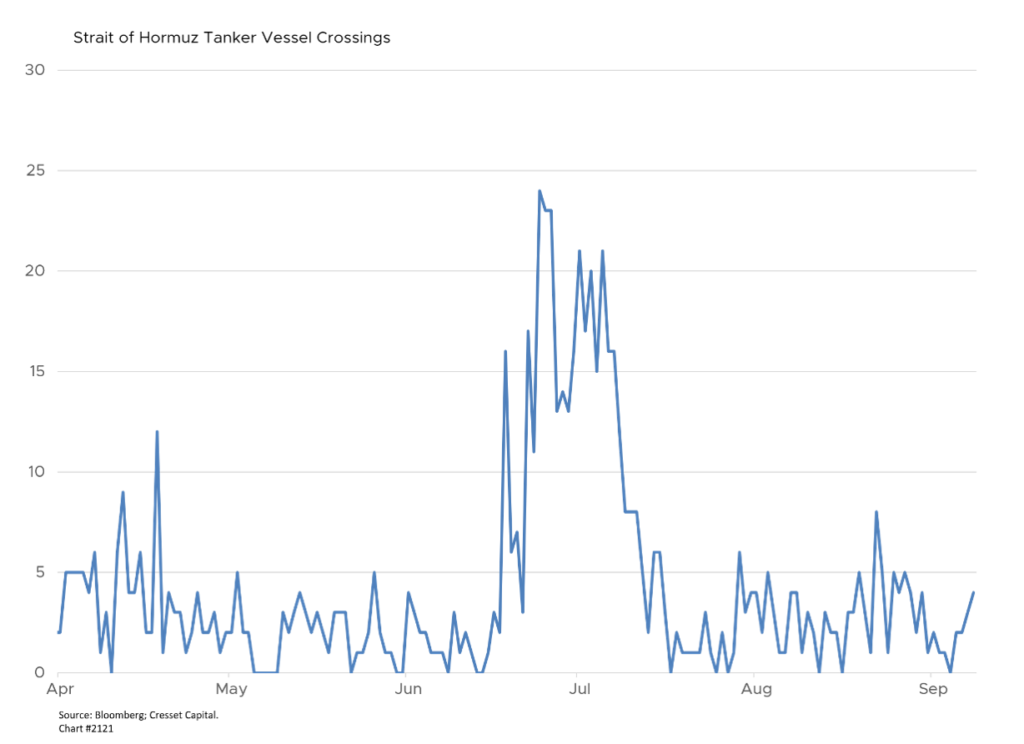
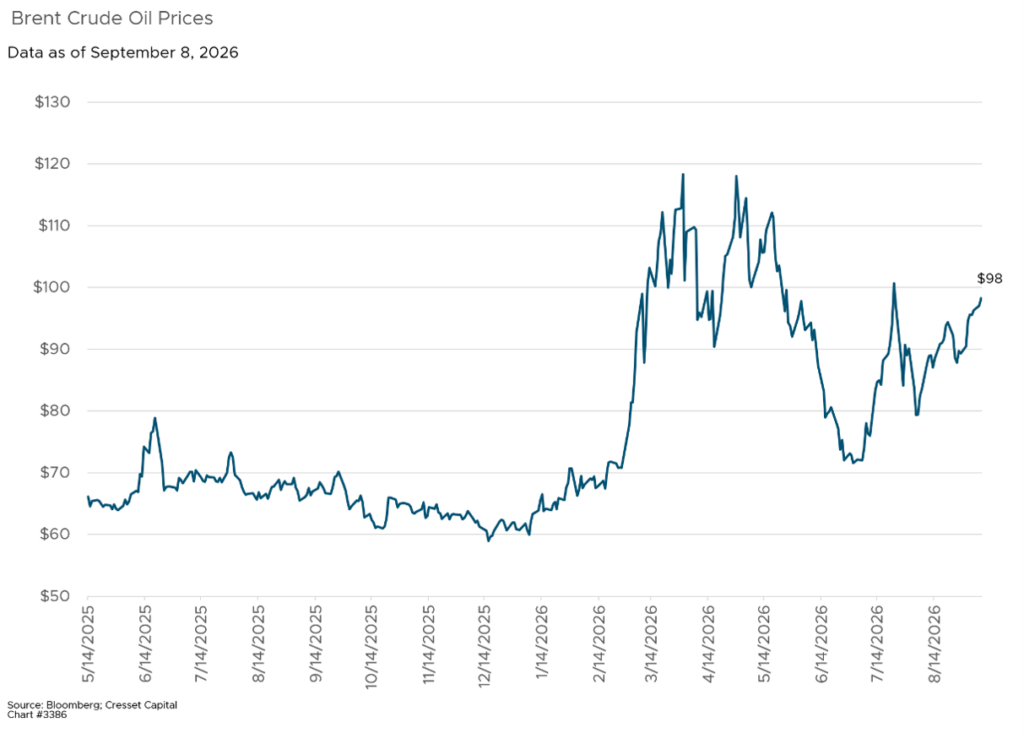
Oil prices have already adjusted. WTI has moved above $90 per barrel, while Brent is approaching $100 after a sharp month-long advance. Crude prices matter because the inflation transmission channel is direct. Higher crude prices flow into gasoline, transportation costs, input prices and, eventually, inflation expectations. A brief oil spike would be manageable, but a sustained move higher would complicate the Fed’s job at precisely the wrong moment.
A Strong Labor Market Raises the Stakes for Inflation
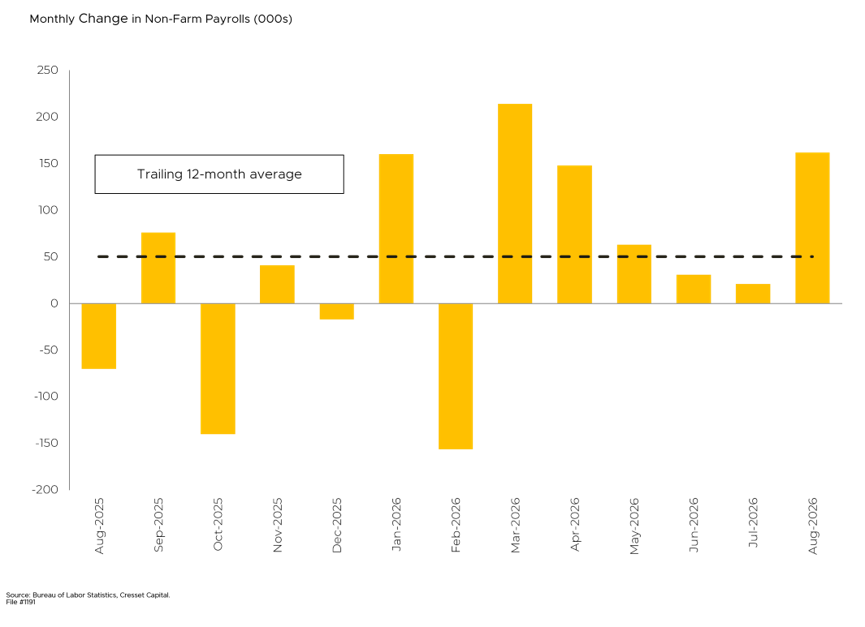
Meanwhile, August payrolls surged by 162,000, far above consensus expectations and a sharp reversal from July’s weakness. That report changed the policy conversation. Before the data, investors could argue that softer employment conditions would give the Fed room to pause. After the report, the labor market looks resilient enough to tolerate another rate increase, particularly if inflation remains sticky.
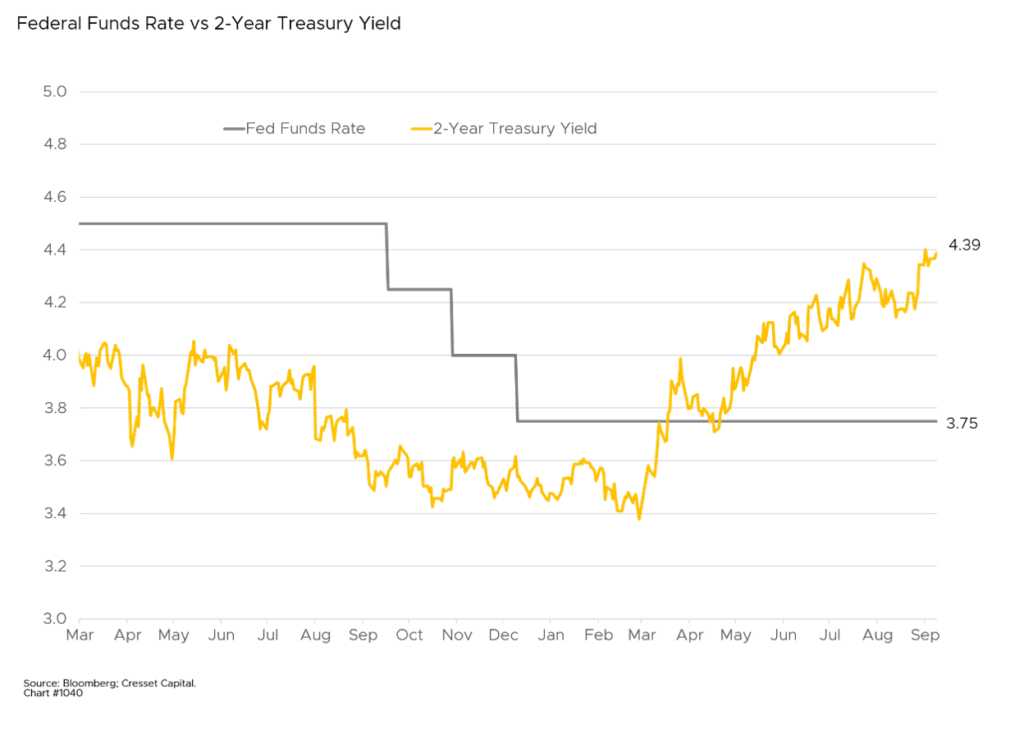
Fed funds futures now imply a nearly 60% probability of a September hike, with the Sept. 16 FOMC meeting again very much alive. The Fed is also in its pre-meeting blackout period, leaving this week’s CPI and PPI reports to speak for policymakers. That makes the inflation data unusually consequential. A firm CPI report would likely cement expectations for a hike, while a softer print could reopen the debate and could allow risk assets to recover some footing.

Markets Brace for the Fed’s Next Move
For investors, the key issue is not simply whether the Fed hikes by 25 basis points. It is whether markets conclude that the broader policy path has shifted. One hike can be absorbed if it is viewed as insurance against residual inflation. A renewed tightening cycle would be more difficult, particularly for long-duration equities, rate-sensitive sectors and lower-quality credit.
The Treasury market will be an important barometer. Front-end yields are most exposed to the September decision, while the 10-year will reflect a broader mix of inflation risk, supply and term premium. This week’s Treasury auctions add another technical challenge to a market already absorbing a live Fed decision, higher oil prices and changing inflation expectations. Investors should expect rates volatility to remain elevated.
The European Central Bank (ECB) adds a third policy dimension. A 25-basis-point ECB hike this week appears largely priced, so the decision itself may not be a market-moving event. The press conference is more important. If President Lagarde signals that additional tightening remains possible, European yields and the euro could find support. If the ECB frames this move as a final step, the dollar could strengthen further, especially if U.S. inflation data keep the Fed on a hawkish path.

Earnings Strength Alone May No Longer Be Enough
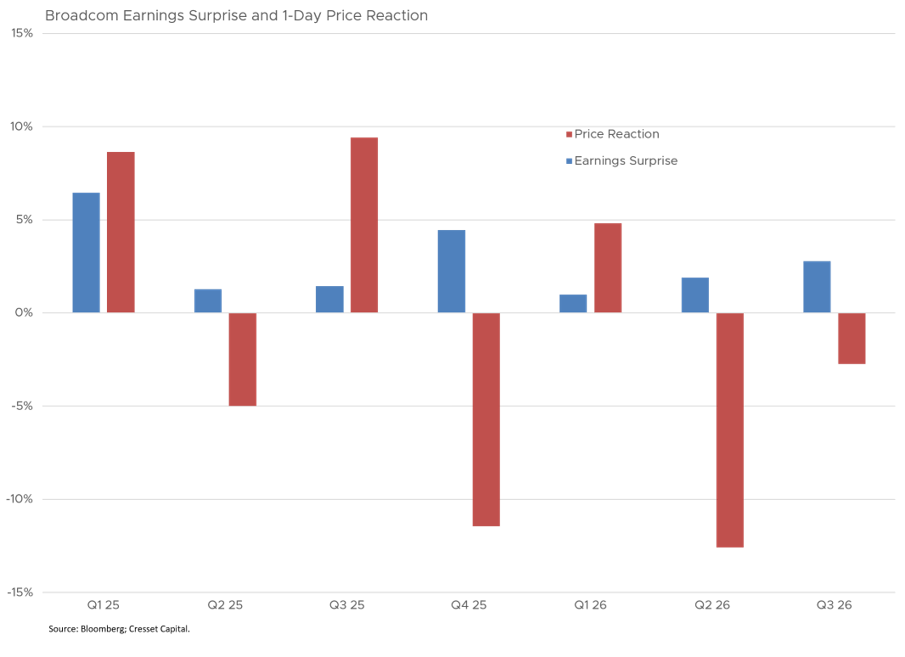
Last week’s Broadcom earnings offered an important reminder that good news is no longer always enough, particularly in AI infrastructure. Broadcom reported exceptional AI semiconductor growth and raised long-term revenue expectations, yet the stock reaction was muted because investors are demanding perfection. This does not invalidate the AI investment theme, but it does suggest the market is transitioning from rewarding participation to rewarding execution against very high expectations.
Companies must show not only growth, but durable margins, broadening customer demand, credible financing structures and evidence that growth can continue to surprise positively. The market’s reaction to Broadcom suggests investors are beginning to separate AI beneficiaries by quality, visibility and balance-sheet risk rather than treating the group as a single trade.
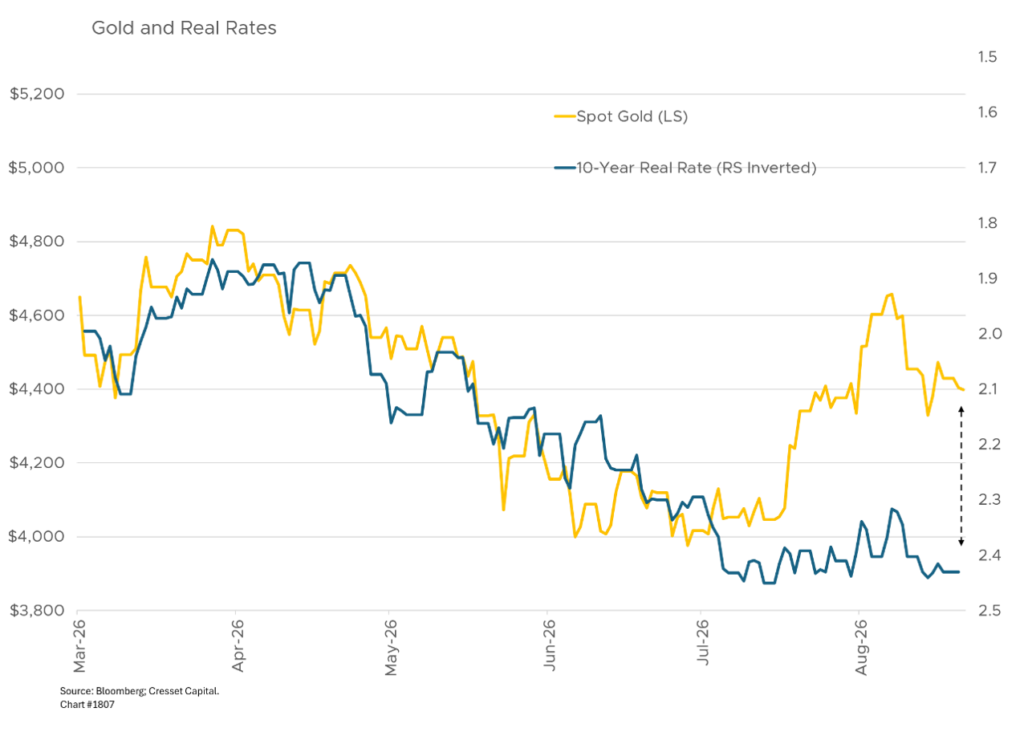
Gold has declined in the face of monetary tightening despite geopolitical escalation, suggesting rate expectations overwhelmed the safety bid. That is an important signal. If real rates continue to rise, gold will likely struggle tactically even if longer-term fiscal, currency and central-bank demand arguments remain intact. If inflation data soften or geopolitical stress intensifies further, the metal could regain support.
Positioning for Multiple Outcomes
The practical implication for portfolios is straightforward: this is a week to emphasize balance. Investors should avoid overconcentrating in any single macro outcome. A hot CPI print, higher oil prices and hawkish central-bank guidance would favor quality balance sheets, energy exposure, shorter-duration fixed income and defensive equity characteristics. A softer inflation print and stabilization in Hormuz could support a rebound in growth equities, longer-duration bonds and select international assets. The distribution of outcomes is wide enough that diversification remains more valuable than aggressive directional positioning.
Bottom Line
The week ahead is a test of whether last week’s shocks become a durable market narrative. The combination of a stronger labor market, higher oil prices and live central-bank decisions has shifted the burden of proof back onto the disinflation story. If CPI and PPI confirm that inflation remains sticky, investors should expect higher yields, a stronger dollar and more pressure on equity valuations. If inflation surprises to the downside and energy markets stabilize, markets could quickly regain confidence.
For now, the path of least resistance is toward higher volatility rather than a decisive trend. The economy still appears resilient, but resilience gives central banks less reason to ease. Oil prices are not yet a full-blown economic shock, but they are high enough to threaten the inflation outlook. Equity fundamentals remain constructive in parts of the market, but valuations leave little room for disappointment.
Investors should stay disciplined, diversified and focused on quality. This is not a moment to abandon risk, but it is a moment to be paid for taking it.